Myrtle Beach Typography Tie Dye: A Unique Approach to Creative Expression
Typography tie dye has emerged as a versatile and visually striking method for adding personality and artistry to a wide range of products. Among the many variations available, Myrtle Beach Typography Tie Dye stands out for its unique blend of hand-drawn aesthetics and bold, colorful typography. This style is particularly popular among creators who seek to infuse their designs with a sense of nostalgia, creativity, and individuality.
What Is Myrtle Beach Typography Tie Dye?
Myrtle Beach Typography Tie Dye is a design technique that combines elements of traditional tie dye with stylized typography. Instead of using standard patterns or abstract shapes, this method incorporates hand-drawn words, phrases, or symbols that are then dyed in vibrant colors. The result is a visually dynamic piece that captures attention while maintaining a personal touch.
The term "Myrtle Beach" refers to the coastal town in South Carolina, known for its vibrant arts scene and creative community. The name suggests a connection to seaside aesthetics, which often include soft pastels, oceanic hues, and organic textures. However, the style itself is not limited to any specific region or culture—it's more about the artistic approach than the geographic origin.
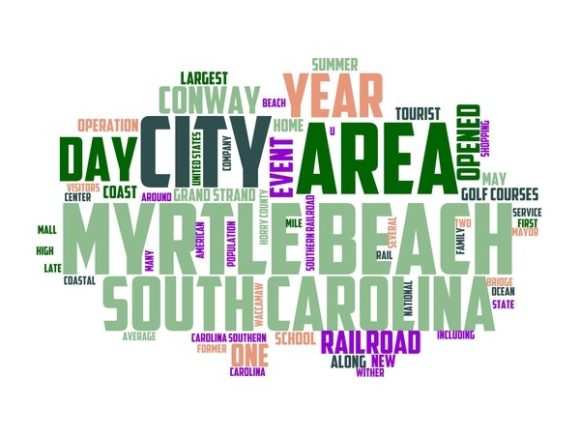
Unlike conventional tie dye, which typically involves soaking fabric in dyes and twisting it into knots, Myrtle Beach Typography Tie Dye focuses on the visual composition. The text is carefully arranged and dyed to create a word cloud effect, where each letter or word is distinct yet harmoniously integrated into the overall design.
How Does It Compare to Other Typography Styles?
While there are numerous typography styles available, Myrtle Beach Typography Tie Dye offers a distinctive alternative to both traditional and modern approaches. Let’s explore how it stacks up against similar options:
- Standard Tie Dye: Traditional tie dye is more about color blending and pattern creation. While it can be used with text, the focus is less on typography and more on the dyeing process. Myrtle Beach Typography Tie Dye, on the other hand, emphasizes the visual impact of the text itself.
- Hand-Drawn Typography: This style involves creating text by hand, often with a brush or pen. While it shares some similarities with Myrtle Beach Typography Tie Dye, the latter adds an extra layer of complexity through the dyeing process. The combination results in a more textured and layered look.
- Digital Typography: Digital tools allow for precise control over font size, spacing, and color. However, they lack the tactile and organic feel of hand-drawn designs. Myrtle Beach Typography Tie Dye bridges the gap between digital precision and handmade charm.
- Abstract Word Clouds: These are commonly used in data visualization and social media graphics. While they share the concept of grouping words together, they usually lack the depth and detail of Myrtle Beach Typography Tie Dye, which includes a more refined and intentional arrangement of text.
Strengths and Limitations
One of the primary strengths of Myrtle Beach Typography Tie Dye is its versatility. It can be applied to a wide range of materials, including fabric, paper, and even digital formats. This makes it ideal for use in various creative projects such as clothing, posters, notebooks, and promotional materials.
Another advantage is its ability to convey emotion and meaning through visual storytelling. The combination of color, texture, and typography allows for a more expressive and engaging design. For example, a word cloud featuring the phrase “Live Your Best Life” in bold, rainbow-colored letters can instantly communicate optimism and inspiration.
However, there are also limitations to consider. The process of creating Myrtle Beach Typography Tie Dye requires a certain level of skill and patience. It may not be suitable for those looking for quick, mass-produced designs. Additionally, the final product is somewhat unpredictable due to the nature of the dyeing process, which can lead to unexpected color blends and patterns.
When Is Myrtle Beach Typography Tie Dye the Right Choice?
Myrtle Beach Typography Tie Dye is best suited for individuals and businesses that value creativity, uniqueness, and personal expression. It is particularly well-suited for the following scenarios:
- Custom Merchandise: From t-shirts to tote bags, this style adds a distinctive flair to everyday items.
- Event Promotions: Whether it's a music festival, art show, or local fair, incorporating this style into banners, flyers, and signage can help attract attention.
- Home Décor: Pillows, wall art, and decorative items can benefit from the vibrant and eye-catching nature of this design.
- Personal Projects: For artists, writers, or DIY enthusiasts, it offers a way to showcase their work in a visually appealing manner.
- Brand Identity: Companies looking to stand out in a crowded market can use this style to create memorable logos, packaging, and marketing materials.
Alternatives to Consider
If Myrtle Beach Typography Tie Dye doesn't align with your needs, there are several alternatives worth exploring:
- Screen Printing: Offers high-quality, consistent results but lacks the artistic flair of hand-drawn designs.
- Embroidery: Ideal for adding intricate details to fabric, but may not offer the same level of color variety.
- Digital Print: Provides precise control over design elements but may lack the tactile quality of handmade pieces.
- Stenciling: Allows for detailed and repeatable designs, though it requires more preparation and setup time.
Each of these alternatives has its own set of benefits and drawbacks. The key is to evaluate what matters most to you—whether it's consistency, cost, or artistic expression—and choose the option that best fits your goals.
Conclusion
Myrtle Beach Typography Tie Dye offers a fresh and creative approach to design that blends the best of hand-drawn art and vibrant color. While it may not be the right choice for everyone, it is certainly a valuable tool for those seeking to add a unique and expressive element to their projects. By understanding its strengths, limitations, and potential applications, you can make an informed decision about whether this style is the right fit for your creative vision.